
Internal fit-outs and façade treatments increasingly rely on material systems that balance design flexibility, compliance, and long-term durability. In this context, timber battens and aluminium battens have become core components across commercial, hospitality, education, and multi-residential projects, offering architects and builders adaptable solutions for walls, ceilings, and screening. When specified correctly, these systems support both aesthetic intent and functional performance within structured construction environments.
Why Batten Systems Are Central to Contemporary Architecture
Architectural batten systems are widely adopted in commercial construction due to their modularity, clean alignment, and ability to integrate seamlessly with building services. Rather than acting as surface decoration, they contribute to structural clarity, acoustic control, and environmental response.
In modern office environments, battens often define ceiling planes, guide movement through corridors, and soften large-scale interiors without compromising layout flexibility. In retail and hospitality, they introduce depth and texture while maintaining compliance with safety and installation standards.
Timber Applications in Internal Commercial Environments
Timber-based batten systems are primarily specified for internal architectural use where warmth, texture, and natural material character are priorities. Ceiling installations are common in corporate offices, education facilities, and hospitality venues where controlled spacing enhances acoustic comfort and visual rhythm.
Engineered subframe systems allow secure fixing to walls and suspended ceilings, ensuring consistency throughout the project lifecycle. This structured installation approach reduces on-site variability and supports efficient trade coordination.
Material grade and finish are determined by traffic levels, cleaning requirements, and fire compliance standards. Hardwood and engineered profiles provide durability and dimensional stability, while protective coatings maintain visual integrity over time. Where acoustic performance is required, backing materials and spacing configurations can be tailored to improve sound absorption in open-plan areas.
Aluminium Solutions for External and High-Performance Applications
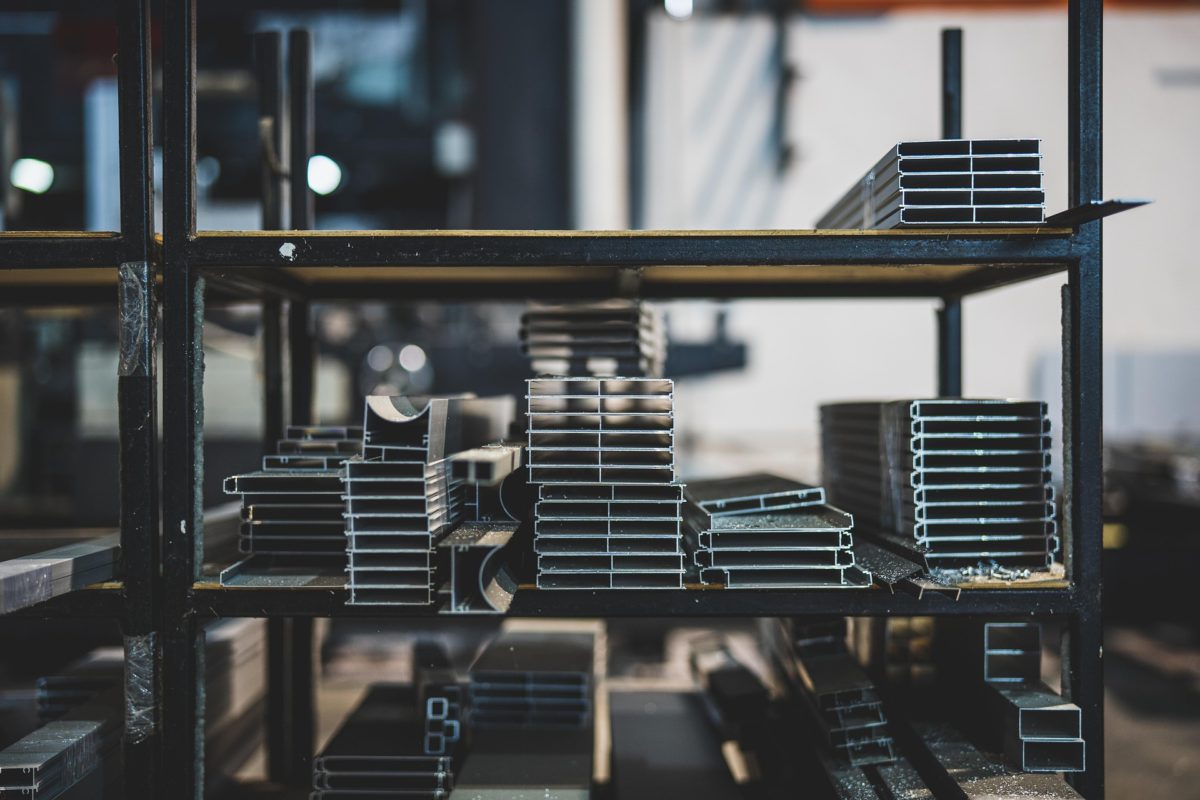
Metal-based batten systems are frequently specified where weather resistance and minimal maintenance are essential. Aluminium profiles are integrated into façades, plant screens, shading systems, and architectural screening across mixed-use and commercial developments.
Their lightweight composition reduces structural load while supporting flexible design outcomes. Customisable spacing and orientation enable designers to create varied shadow lines and façade depth without increasing construction complexity.
Powder-coated finishes ensure colour consistency and corrosion resistance, particularly in coastal or humid environments. From an engineering perspective, reduced weight simplifies subframe design and may assist in meeting performance requirements across both new builds and retrofit projects.
Compliance and Documentation in Commercial Projects
Across both timber a
nd metal systems, compliance remains a critical consideration. Australian building standards require attention to fire ratings, structural fixing methods, and performance documentation.
Purpose-designed architectural batten systems provide specification clarity, supporting smoother certification processes. This is particularly important in healthcare, education, and large commercial environments where documentation accuracy influences approval timelines.
Integration with Services and Building Infrastructure
One of the primary advantages of modular batten systems is their capacity to integrate with lighting, air-conditioning, and fire services. Ceiling battens can conceal infrastructure while allowing accessibility for maintenance.
Early-stage coordination between architects, engineers, and contractors ensures spacing and profiles align with services layouts. This reduces costly redesigns and maintains visual continuity throughout completed spaces.
Externally, aluminium screening systems can contribute to shading performance and privacy while permitting airflow. In residential and mixed-use developments, this enhances façade articulation and environmental responsiveness.
Sustainability and Lifecycle Considerations
Environmental performance increasingly influences specification decisions. Responsibly sourced timber can contribute to sustainable building objectives, while aluminium’s recyclability supports circular material strategies.
Lifecycle planning also extends to maintenance protocols. Timber finishes require assessment of internal climate conditions, whereas powder-coated aluminium typically offers minimal upkeep in exposed areas. Facilities managers therefore consider durability, cleaning access, and long-term asset value when confirming material selection.
Design Flexibility Across Sectors
Batten systems are adaptable across multiple sectors:
- Commercial Offices: Ceiling continuity, acoustic moderation, and integrated lighting alignment.
- Retail and Hospitality: Visual texture without reducing floor space or circulation efficiency.
- Education Facilities: Durable installations supporting compliance and acoustic comfort.
- Multi-Residential Developments: Façade shading, screening, and shared lobby treatments.
By aligning aesthetic outcomes with structural performance, these systems contribute to cohesive project delivery.
Supply Chain Reliability and Installation Efficiency
Consistent manufacturing tolerances and clear installation guidelines improve contractor efficiency. Modular systems reduce on-site adjustments and support predictable scheduling.
For developers managing complex builds, early engagement with specialist suppliers ensures alignment between profile design, lead times, compliance documentation, and finish selection. This reduces risk exposure and supports programme certainty.